Your Backflow Test Failed. Now What?
No homeowner wants to hear the words:
“Unfortunately, your backflow device didn’t pass its annual test.”
We understand. It’s disappointing, unexpected, and can even be a little frustrating.
One of the first questions many homeowners have is:
“How do I know the test is accurate?”
It’s a fair question.
Here’s what actually happens during a backflow test and why a failed result isn’t something a tester can simply choose.
The Tester Doesn’t Decide Whether You Pass
One of the biggest misconceptions about backflow testing is that the tester is making a judgment call.
In reality, the tester is simply measuring how your device performs.
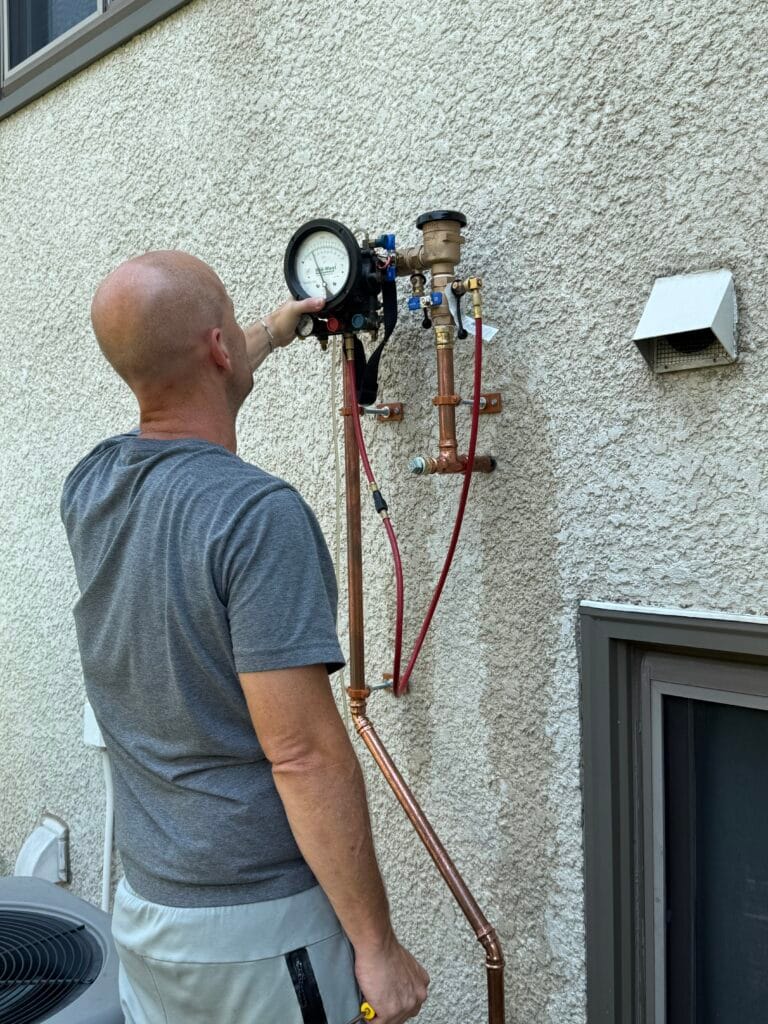
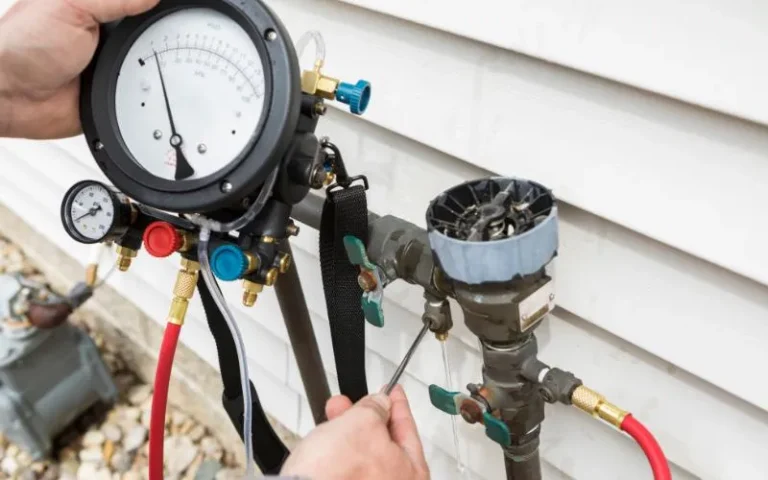
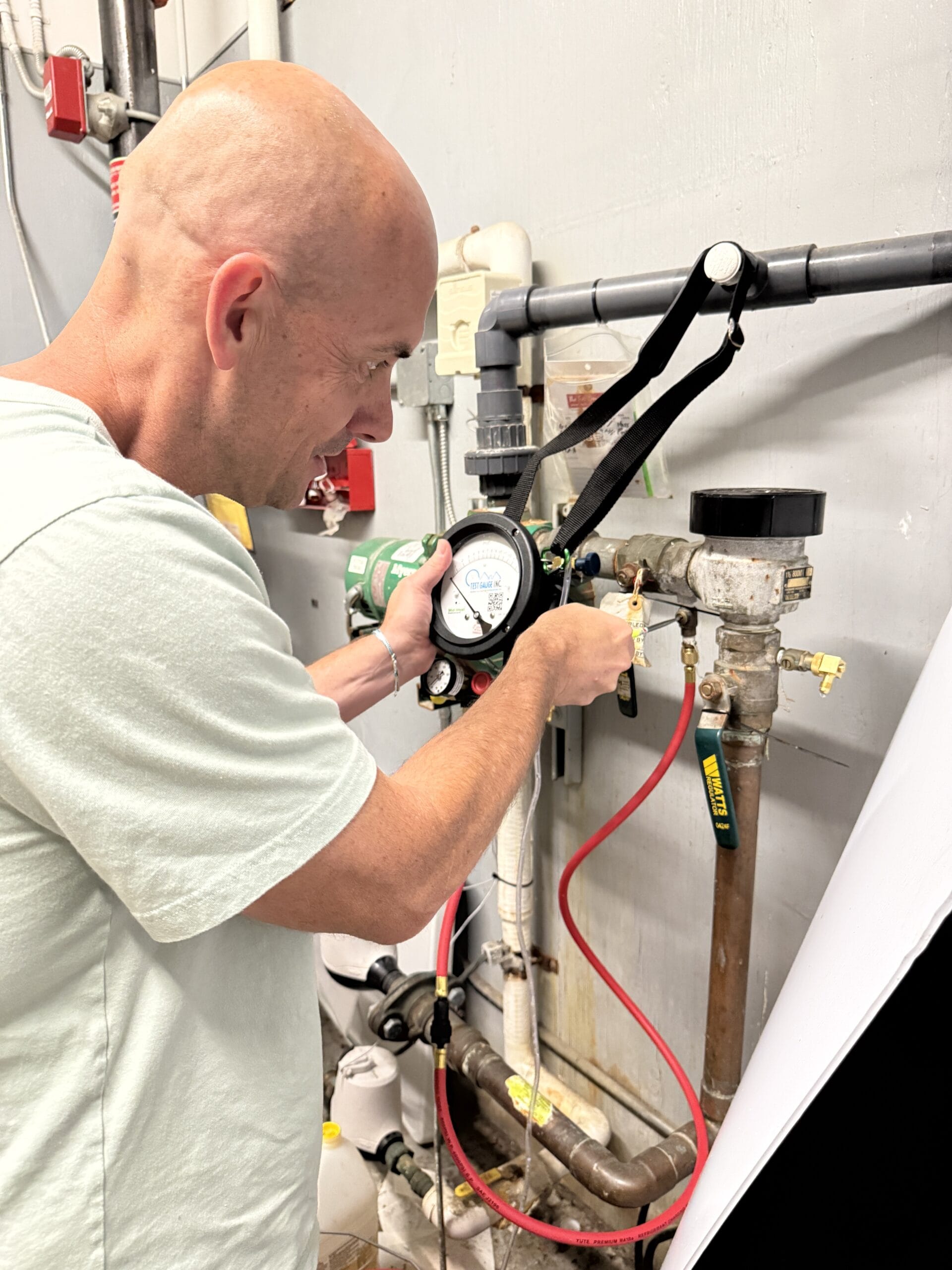
Using specialized calibrated testing equipment, we follow a standardized testing procedure established for your type of backflow prevention assembly. The gauges tell us whether each check valve and relief valve is operating within the required specifications.
The numbers determine the result—not the tester.
If the device meets the required standards, it passes.
If it doesn’t, it fails.
Can You Just Test It Again?
If something during the testing process seems unusual, we’ll absolutely verify the results.
In fact, if a reading doesn’t look right, we’ll often repeat portions of the test to make sure everything was performed correctly.
Sometimes we’ll even try simple troubleshooting steps, such as cycling a shutoff valve if appropriate.
But if the device consistently produces the same readings, testing it over and over won’t change the outcome.
The device must actually function correctly in order to pass.
Why Do Devices Fail?
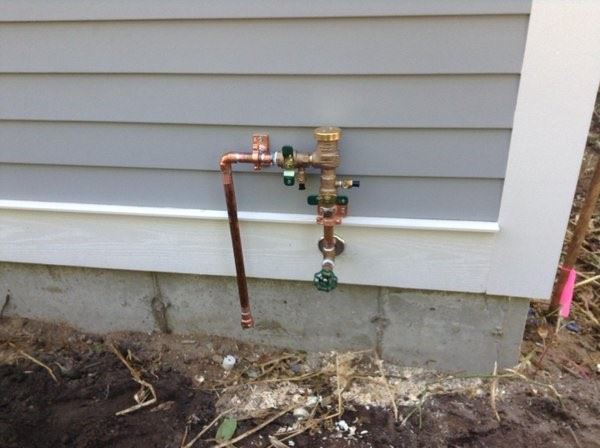
Backflow prevention devices contain mechanical parts that wear over time.
Common causes include:
- Worn or damaged springs
- Debris preventing a check valve from sealing completely
- Rubber components that have deteriorated with age
- Mineral buildup from years of water flowing through the device
Many devices operate for years without anyone realizing a component has begun to fail.
That’s exactly why annual testing exists.
Does This Mean My Water Is Unsafe?
Not necessarily.
A failed test simply means the backflow prevention assembly is no longer meeting the performance standards designed to protect the public water supply.
Think of it like finding worn brake pads during a vehicle inspection.
Your car may still stop today, but the inspection identified a problem that should be repaired before it becomes a bigger issue.
What Happens Next?
If your device fails:
- We’ll explain exactly which part of the test did not pass.
- We’ll provide the documentation required by your city.
- You’ll need to have the device repaired or replaced by a qualified plumber if repairs are needed.
- Once the repair is complete, the assembly must be retested before it can be reported as passing.
Because Twin Cities Backflow Testing specializes in testing—not repairs—you can feel confident that our only goal is providing an honest, accurate evaluation of your device.
We Know It’s Not the News You Wanted
We never like telling a homeowner that their device failed.
In fact, we would much rather tell every customer they passed.
But our responsibility is to provide accurate testing that helps protect both your family’s drinking water and the community’s water supply.
If your device does fail, we’ll answer your questions, explain what the results mean, and help you understand the next steps so the process is as straightforward as possible.
That’s exactly how we’d want someone to treat us if the backflow device in our own backyard didn’t pass.