
Why Backflow Testing is So Important for Twin Cities Homeowners
We Get It—Annual Backflow Testing Isn’t Anyone’s Favorite Chore. Here’s Why It Matters.
If you’re like most homeowners, receiving a letter from your city telling you it’s time to schedule your annual backflow test probably isn’t the highlight of your week.
We understand.
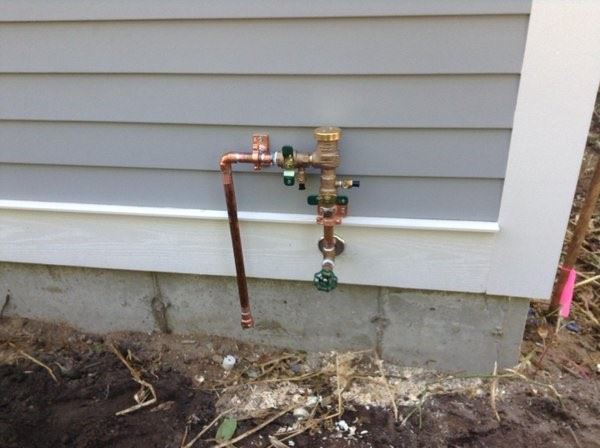
In fact, we own a home in Apple Valley with an irrigation system and a backflow prevention device in our own backyard. Every year, our device needs to be tested too.
It’s easy to look at the requirement and think, “My sprinkler system has worked perfectly for years. Why do I need this?”
The answer comes down to protecting something we all depend on every day: clean drinking water.
What Does a Backflow Preventer Actually Do?
Normally, water flows one direction—from the city’s water system into your home.
But under certain conditions, such as a water main break, firefighting activity, or a sudden drop in water pressure, water can actually reverse direction. This is called backflow.
If that happens, water from irrigation systems, boilers, fire sprinkler systems, or other plumbing connections could potentially flow back into the public water supply.
A backflow prevention device is designed to stop that from happening.
Like any mechanical device, though, it contains springs, check valves, and seals that can wear over time. Most of the time, homeowners have no idea there’s a problem until the device is professionally tested.
Why Is Annual Testing Required?
Backflow prevention devices aren’t tested because cities expect them to fail.
They’re tested because if one does fail without anyone knowing, it could allow contaminated water to enter the public drinking water system.
Annual testing is simply a way to verify that the device is still doing the job it was designed to do.
It’s a small investment that helps protect not only your own family, but your neighbors and your community as well.
Why Certification Matters
Not everyone can legally perform a backflow test.
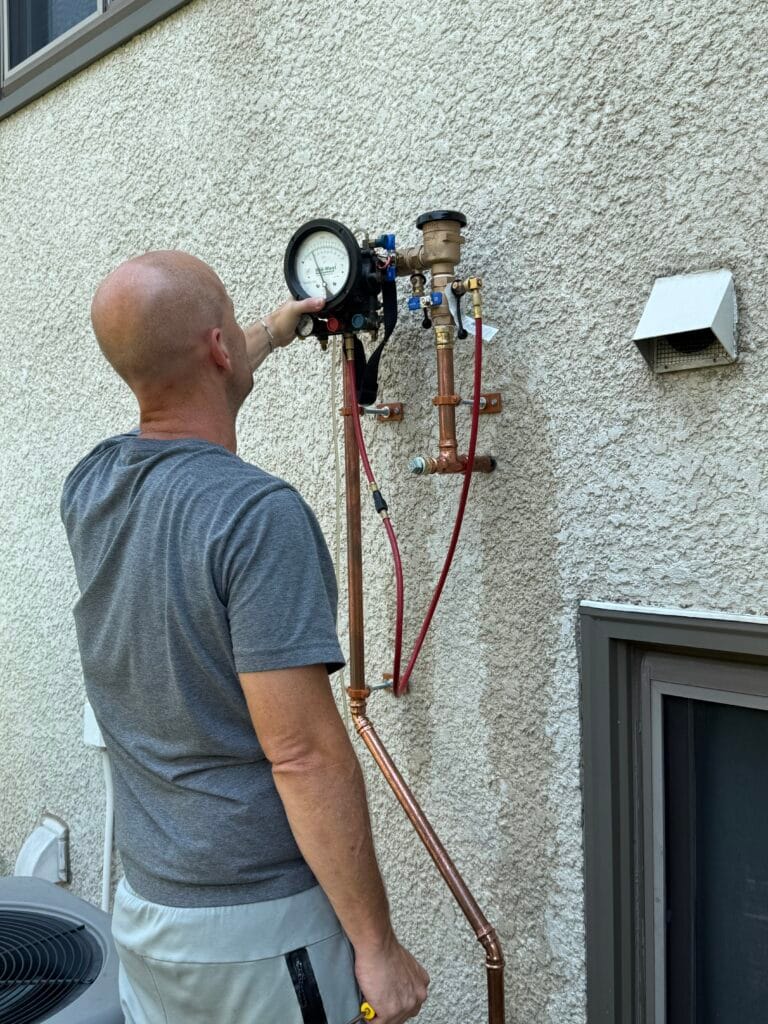
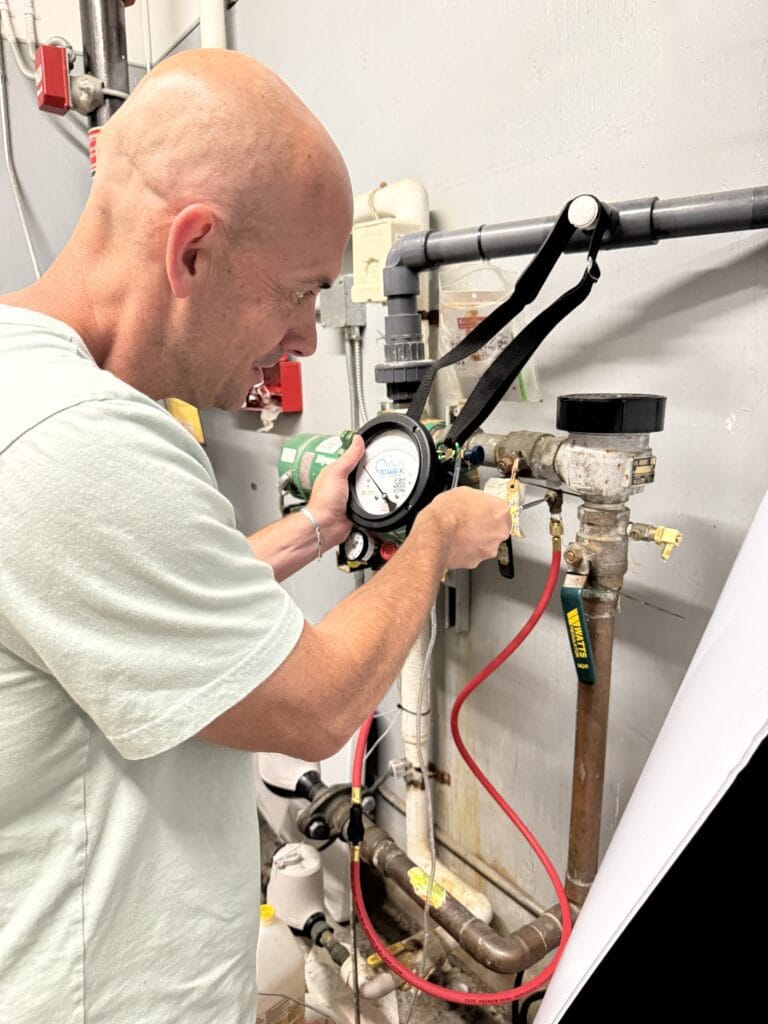
Backflow prevention testing must be completed by a certified tester who has been trained to properly inspect, test, and document the performance of these specialized devices.
Dave is a Minnesota-certified backflow prevention assembly tester. That certification means he has completed the required training, passed the certification exams, and understands the proper testing procedures required by Minnesota cities and water utilities.
Just as importantly, if your device doesn’t pass, he’ll clearly explain what the results mean and what your next steps are—without trying to sell you repairs. Twin Cities Backflow Testing specializes in testing and compliance, so our focus is providing an accurate, unbiased evaluation of your device.
From One Homeowner to Another
Starting Twin Cities Backflow Testing has given us an even greater appreciation for why these annual tests exist.
Before learning about backflow prevention, we probably looked at our city’s notice the same way many homeowners do—just another item on the to-do list.
Now we understand that behind that simple test is a system designed to help keep our family’s drinking water safe.
We hope that makes the annual reminder feel a little less like a chore and a little more like an important part of protecting the place we all call home.
If you’ve received a notice that your backflow prevention device is due for testing, we’d be happy to help. We make the process quick, convenient, and straightforward—and we’ll treat your home with the same care we’d want for our own. Request a test today!